Reimagining the Witness Blanket with immersive technologies

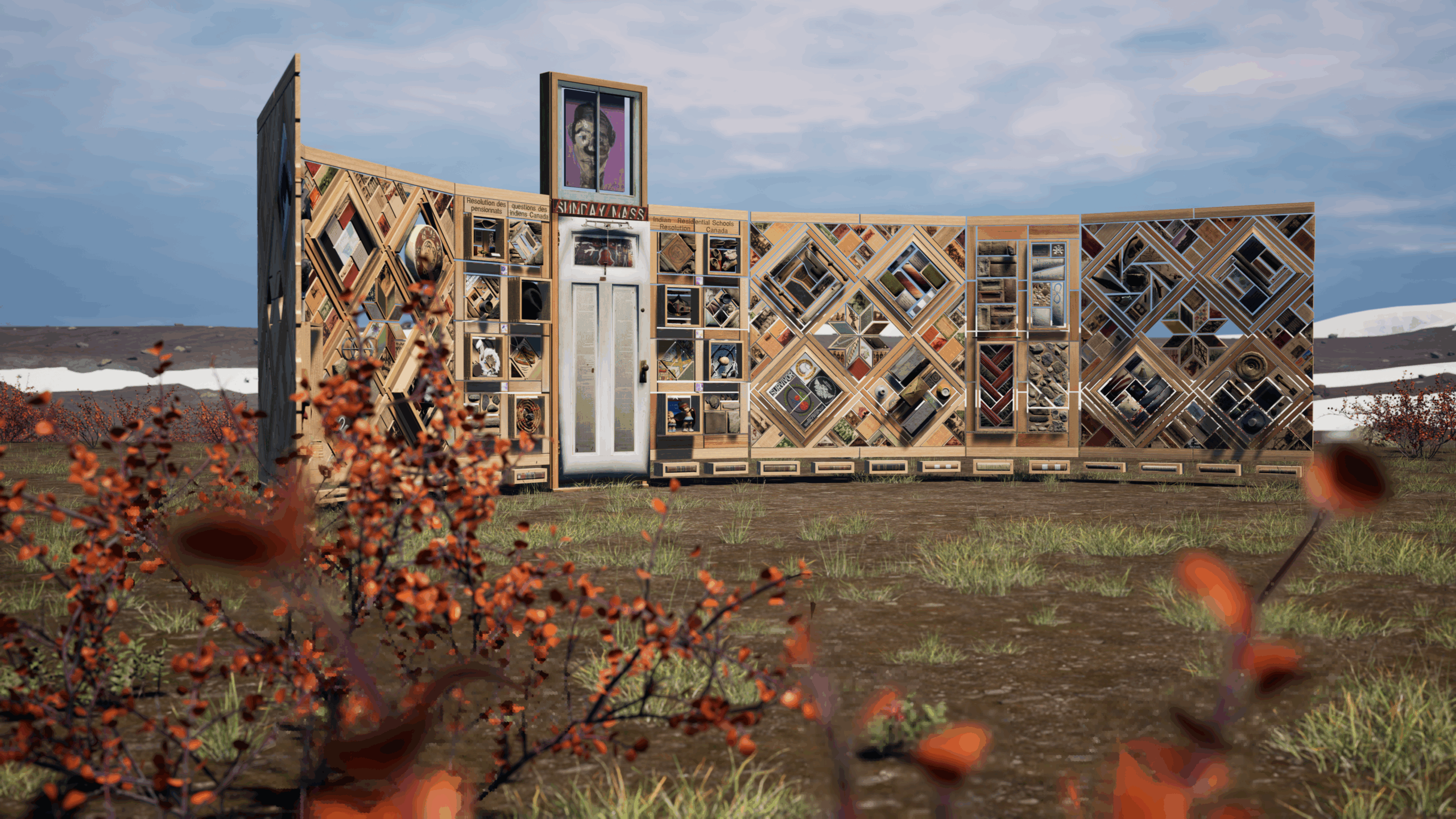
The Witness Blanket exhibit, created by artist Carey Newman (Hayalthkin’geme), allows visitors to the Canadian Museum for Human Rights (CMHR) to bear witness to the experiences of Survivors of the residential school system through artwork, videos and images.
TELUS partnered with Newman and the CMHR in 2022 to digitize the Witness Blanket, creating a more accessible experience for Canadians coast to coast. This innovative platform showcases a digitized version of the original exhibit, providing an immersive experience to share lessons from residential schools and inspire reflection. As of 2025, the digital version of the Witness Blanket has educated 1 million students and welcomed 1.5 million visitors to the website.
Entering the second decade of the Witness Blanket’s journey, Newman is focused on enhancing the experience through virtual reality (VR) first and then augmented reality (AR).
Currently in the testing phases for VR, Newman says he is surprised by “how effective the VR experience can be as each person picks up the objects and hears the stories connected to them.” Newman noticed that the users’ experiences are unique. “Some people pick up every item to read about them, while others look for more sounds or interactions.”
What sets the VR experience apart from the physical blanket are the sounds that Indigenous Peoples from coast to coast to coast have contributed to the project. Some are stories, some are music and some are the sounds of language or cultural process.
Another unexpected observation is how people respond to the landscapes that they can choose while exploring the blanket. “We offered different environments from all parts of the country for the VR experience, something that the technology enabled us to.” Newman reflected that “it has been really interesting to see which landscapes testers want to experience this in” and noted that a Survivor of the residential school system shared that selecting her home landscape helped her connect with the stories in a meaningful way.
Even with two replicas that tour the country, there are still places the Witness Blanket exhibit has not and may not ever visit due to the high costs of shipping. VR technology will enable remote communities to experience the blanket in a meaningful way. Newman intends to build an accessibility plan to make that happen – sending VR goggles and computers that will enable the experience.
While VR technology is becoming more accessible, Newman and the CMHR team understand that the soon-to-launch AR experience will ensure that schools, museums, communities and individuals have access to an immersive experience that leverages some of the technology used to build the VR version.